
Your best project improvement ideas aren't sitting at corporate. They're in the field.
When a project runs across dozens, hundreds, or thousands of locations, something happens that no planning team can fully anticipate: people learn things.
A team in Albuquerque finds a faster sequence. A team in Zimbabwe discovers a prerequisite nobody documented. Someone in the field realizes a hyperlink is broken, or that a task instruction makes sense to someone who wrote it but nobody who has to execute it.
In most organizations, that knowledge goes nowhere. It gets handled in a one-off email to the PM, or in a conversation that never makes it back to the standard, or it just gets absorbed quietly by the team that figured it out while every other location makes the same mistake.
The bottleneck isn't the people. It's the structure. When insight has no path back to the standard, it dies at the location that generated it.
Pacer builds the path.
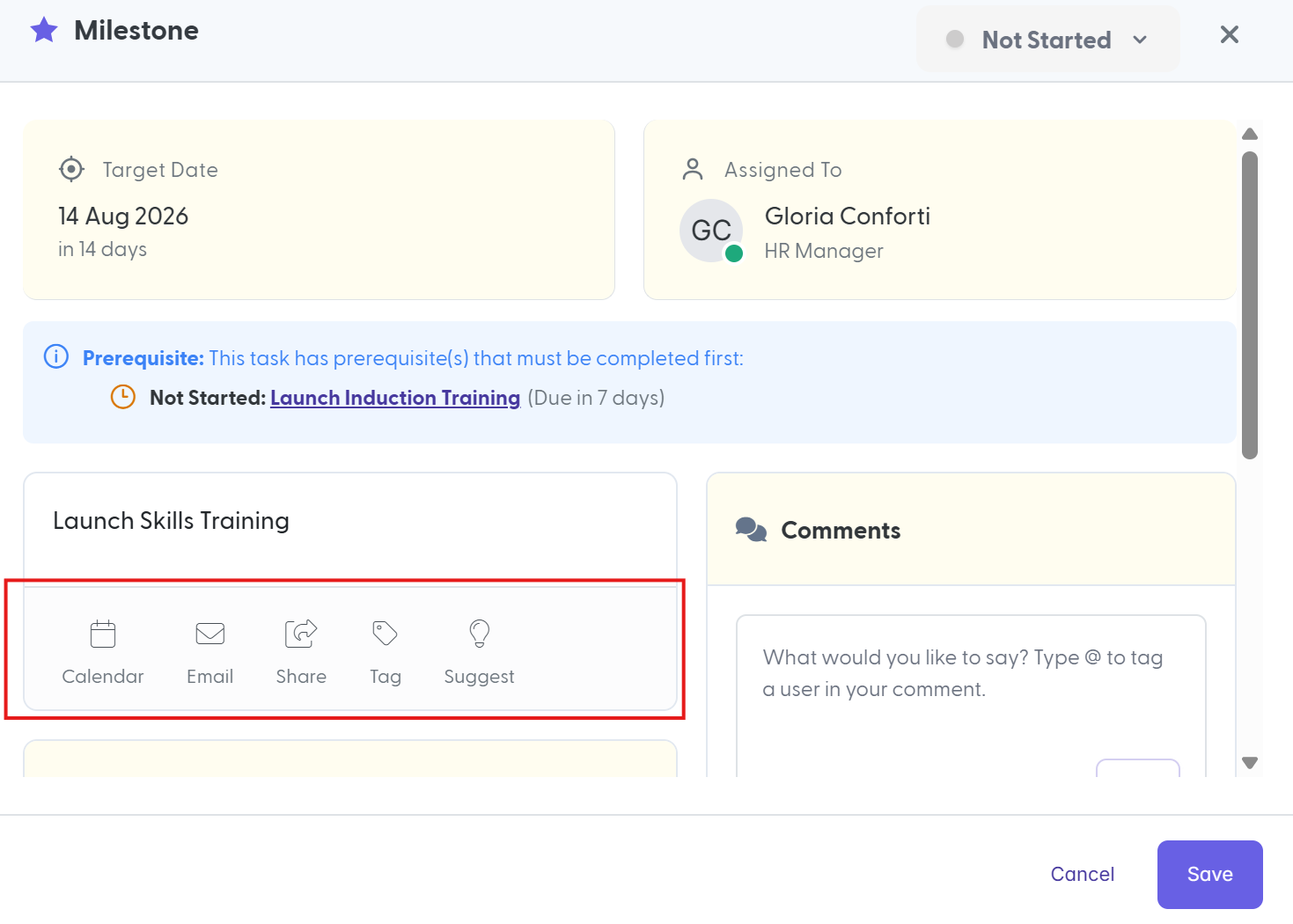
From the field to the standard, in one click.
What it means to have thousands of people improving the same project.
One PM, or even a full project team, can only know what they've seen. A thousand people executing the same project, in different markets, different facility types, different conditions, they collectively know far more.
The difference between an organization that captures that knowledge and one that doesn't isn't a matter of how smart the planning team is. It's a matter of whether the structure allows insight to travel.
Pacer's feedback loop turns every location into a contributor to the standard. The project that finishes isn't the one that was built in a planning session months ago. It's the one that has been refined by every team that ran it, and the next team to run it benefits from all of them.
That's not a feature. That's a compounding advantage.
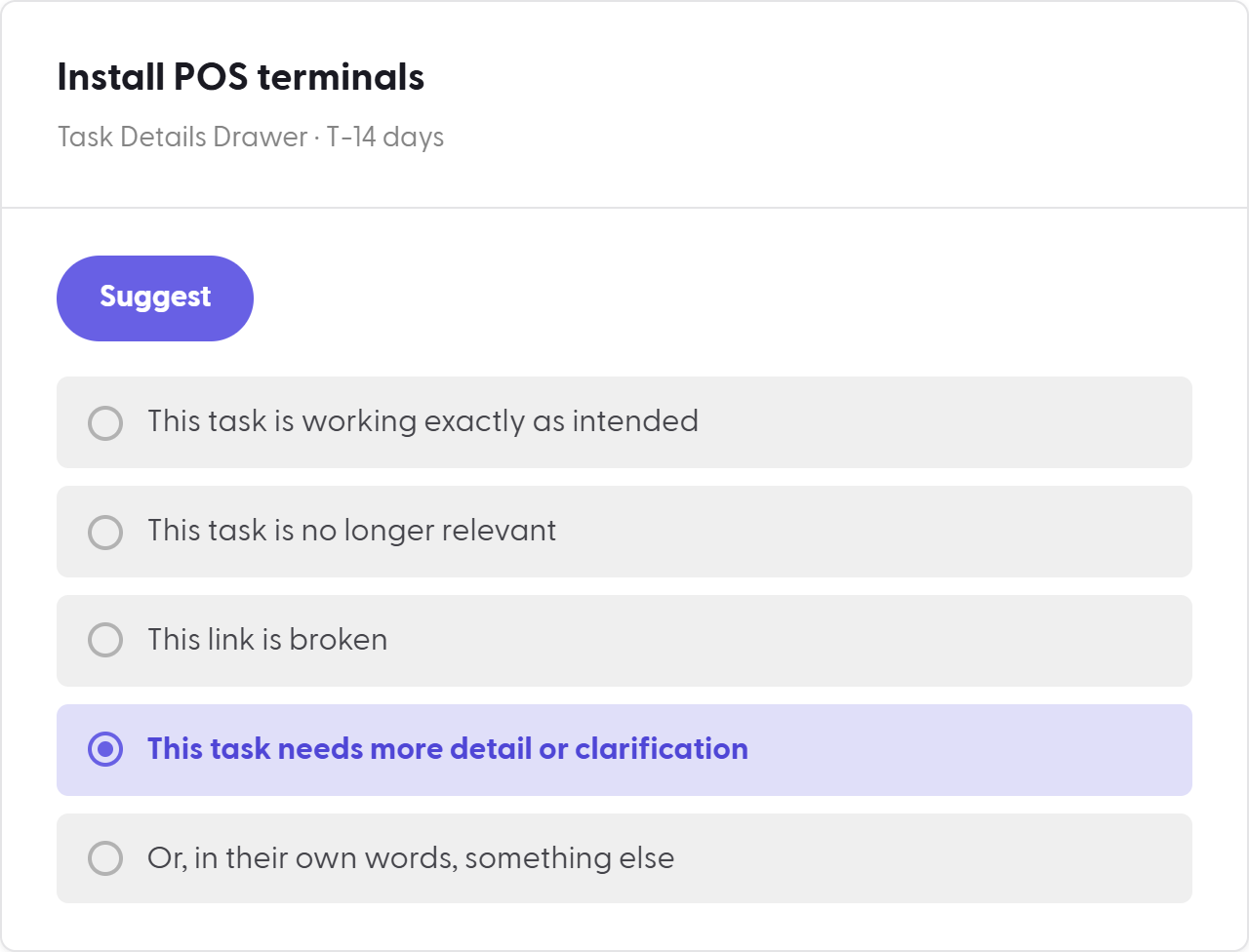
How does this impact my projects?
Simple changes causing ripple effects across your opening timelines.
From one-way broadcast to a closed loop: the project goes out, feedback comes back, the standard improves. Every cycle gets sharper.
From corporate knowledge to collective intelligence: you're not limited to what the planning team anticipated. You have access to what hundreds or thousands of practitioners discovered in the field.
From version drift to a single living standard: no email threads carrying half-answers that only some locations see. One task. One instruction. Updated once. Received everywhere.
From good projects to continuously improving ones: The tenth opening benefits from what the first nine locations learned. The hundredth benefits from all of them.
The best standard is the one that keeps getting better.
A project that goes out the same way it comes back isn't learning. Pacer connects the people doing the work to the people setting the standard, and makes the act of improving it as simple as clicking a link.
Every suggestion is a signal. Every update is the standard getting sharper. Every location that runs next benefits from every location that ran before.