What breaks when you're running five units while opening five more
The model that got you to five locations, personal involvement in every decision, works when you're only managing those five units. Franchise operator Brian Beers has a name for what comes next: "8-Figure Isolation," the point where nobody else has an answer that applies to you anymore.
Here's where that shows up first.
"Your franchisor, your fellow franchisees, and the people you used to call for advice stop having answers that apply to you anymore. Nobody warns you that the hardest part of scaling isn't the money or the real estate. It's realizing you're now the only person who can see your whole portfolio at once."
— Brian Beers, "if you own a franchise, read this"
The five ways attention gets split before you notice you're overstretched
Most operators sense the gap between where they stand and a portfolio that runs itself long before it becomes a disaster. See exactly where your current portfolio sits with Pacer's Revenue Risk Score, no email required for your first result.
These five flags show up first when unit count outgrows the version of you that built the business.
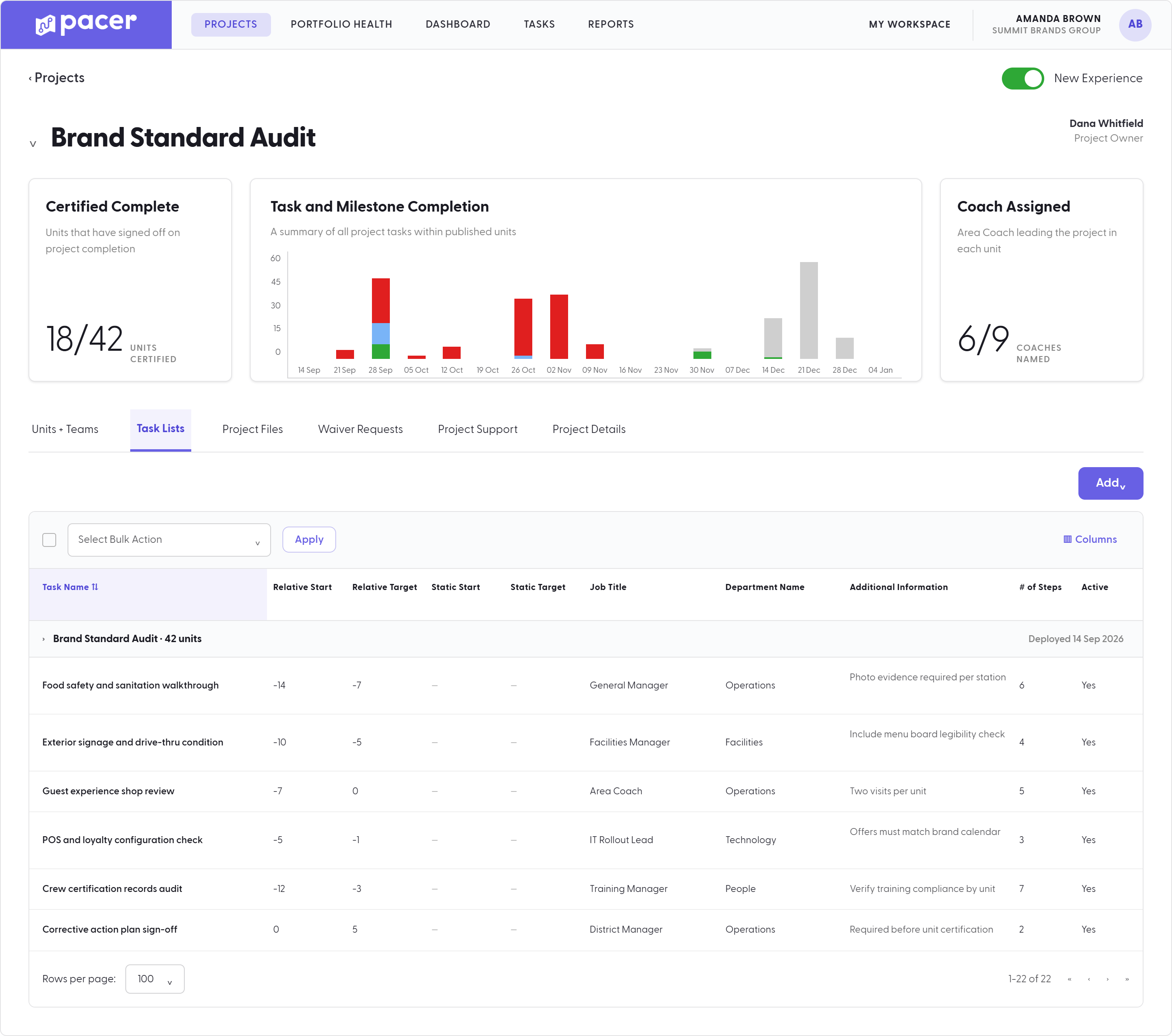
No one's watching what's already open, because everyone's watching what isn't: A new opening is always louder than a location that's open and treading water, so it gets the attention. That's when a "fine" location stops being fine.
Every opening still gets built from memory instead of an operationalized playbook: Without a documented process, each new location re-solves problems the last one already solved, usually by pulling you back in to solve them personally.
The manager you can't afford to lose from any location is the one you keep loaning to the new one: Every week she spends supervising a build is a week the unit she actually runs operates on muscle memory instead of her judgment. When that muscle memory starts to fade, that's when performance slips.
A leadership gap at one location becomes a problem at two: Without a layer below you that can absorb a transfer or a departure, one gap doesn't stay contained. It spreads to the next at-risk unit.
You find out last about the place you know best: A manager who used to frequently text you goes quiet for two weeks, and you assume it's fine because it's always been fine. By the time it's a fire, you're finding out from customer feedback instead of from someone who actually works there.
"They have a location that kind of works, so they open another one that kind of works, and now they have two mediocre businesses instead of one great one."
— Brian Beers, "How I built a $50M/year franchise business without investors or an MBA"
The part of the portfolio nobody's watching
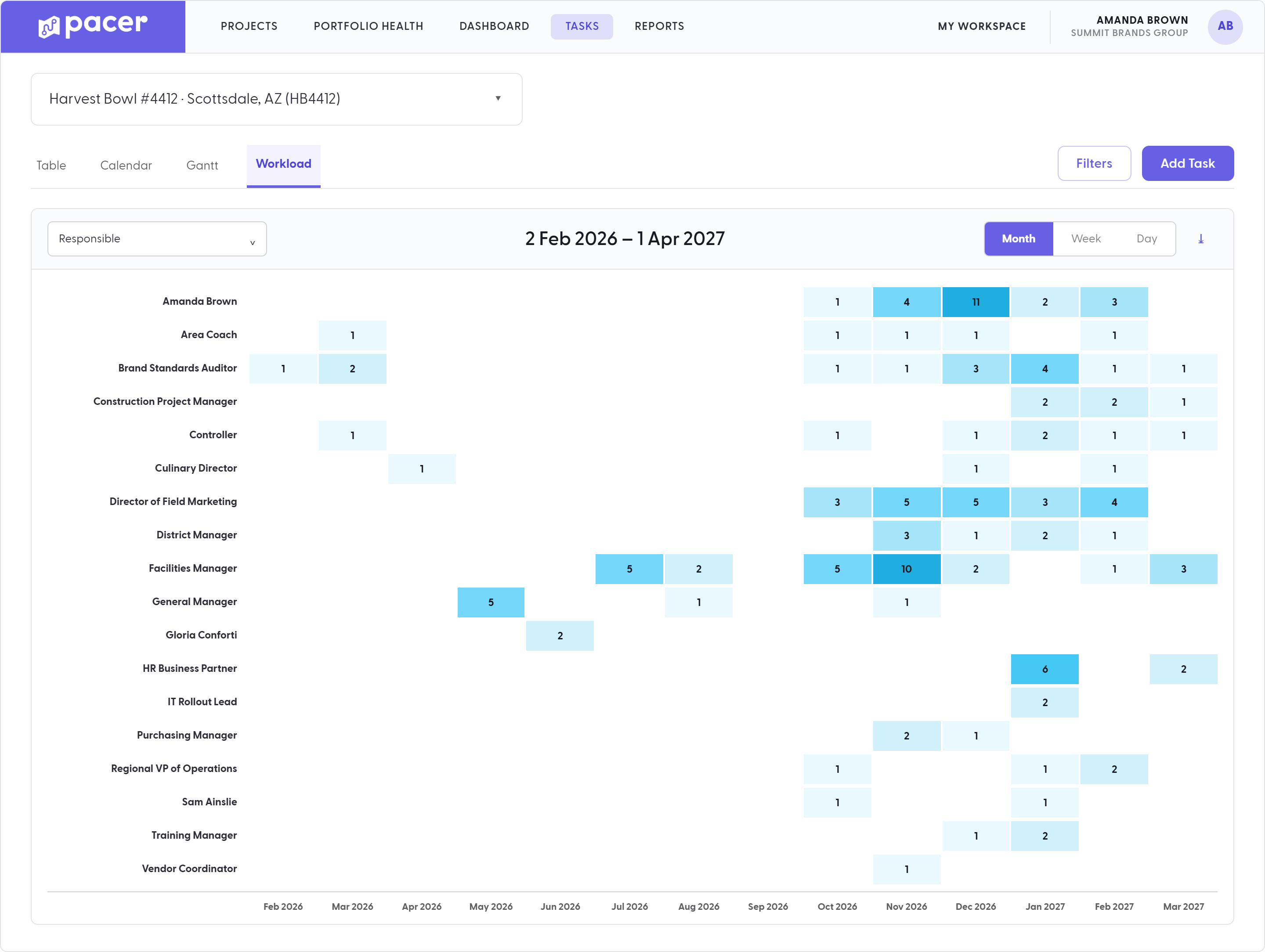
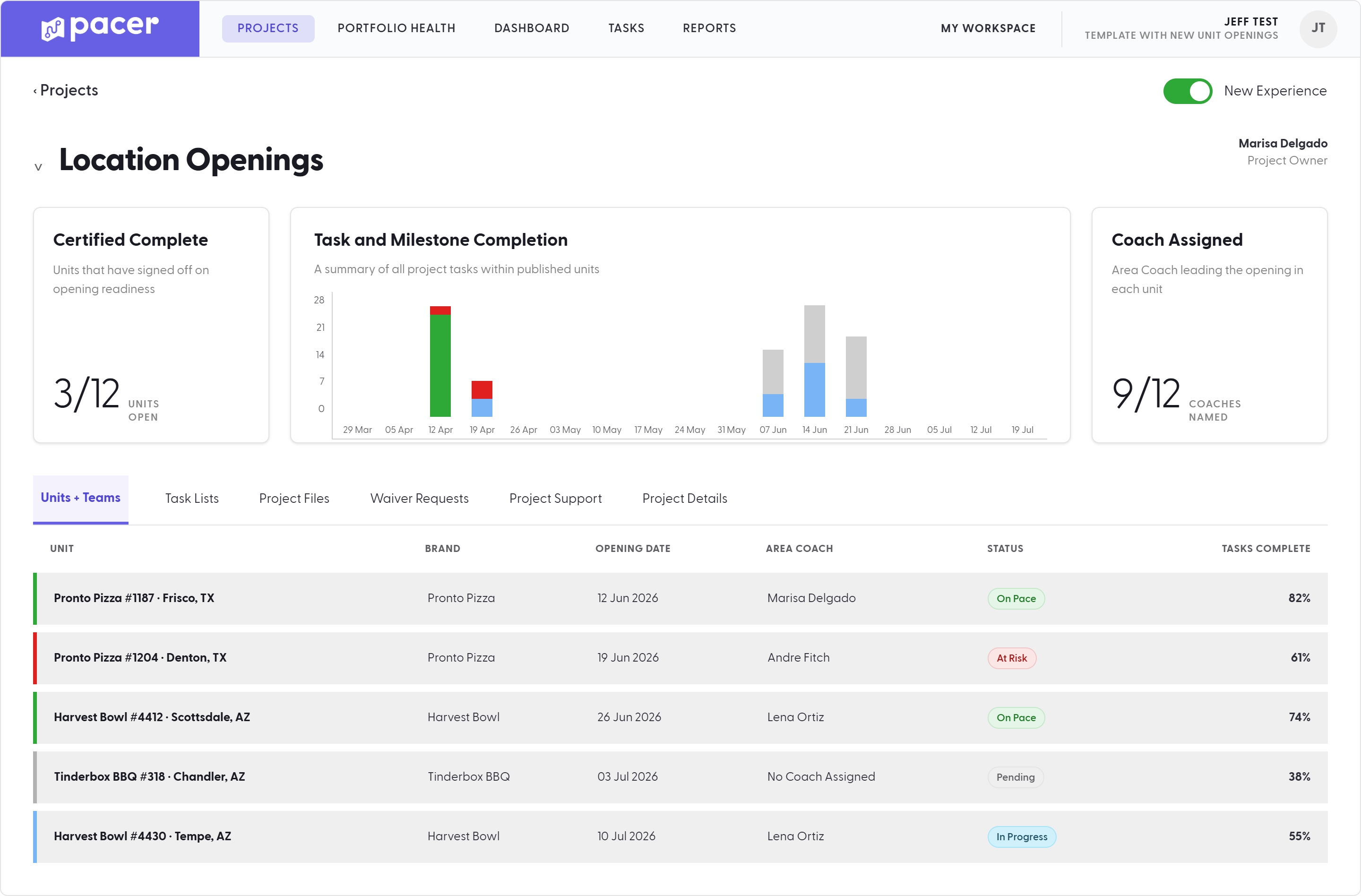
The cost rarely shows up as a single number, because no single location is failing. The store that was quietly profitable for three years starts slipping the same quarter you open two more, and nothing went wrong there except that your attention moved to the openings. Your best manager spends a season supervising a build instead of running the place she actually built her name on. The portfolio looks like it's growing on paper while the units you already own get less of you than they did a year ago, and leadership is last to notice, because nobody is checking your blind spots.
"Splitting yourself is not scaling. It's self-sabotage."
— Brian Beers, "The truth about scaling a business"
Find out before your best locations find out for you.
Take the two-minute Revenue Risk Score, or read what changes once someone besides you can see the whole portfolio at once.
Built from the climb operators have already made.
Growth outpacing the owner who built the business is a common point in a multi-unit operator's climb. Operators who've made that climb, from a handful of locations to a real portfolio, describe the same pattern from different angles: a leadership gap that spreads, a playbook that only exists in one person's head, a location that goes quiet long before the leadership team flags it as at-risk. Every question in the Revenue Risk Score, and everything we build, gets checked against one test: can you run what's open and open what's next without being the only person holding either together?
Built around documented patterns from operators who've actually scaled past 20 locations
Accounts for what a fragmented multi-brand portfolio adds on top of raw unit count
Built by the same team running Pacer across 159,000+ global locations